Symptoms of anxiety often have a root cause, sometimes beyond our awareness. Beneath the shakiness, sweaty palms, and queasy stomach may reside a reason you're hurting, afraid, uncertain, or ashamed. This root cause of anxiety may be unique to you and your circumstances.
What causes deep rooted anxiety?
There is a multitude of sources that could be triggering your anxiety, such as environmental factors like a job or personal relationship, medical conditions, traumatic past experiences – even genetics plays a role, points out Medical News Today. Seeing a therapist is a good first step. You can't do it all alone.What are the symptoms of deep anxiety?
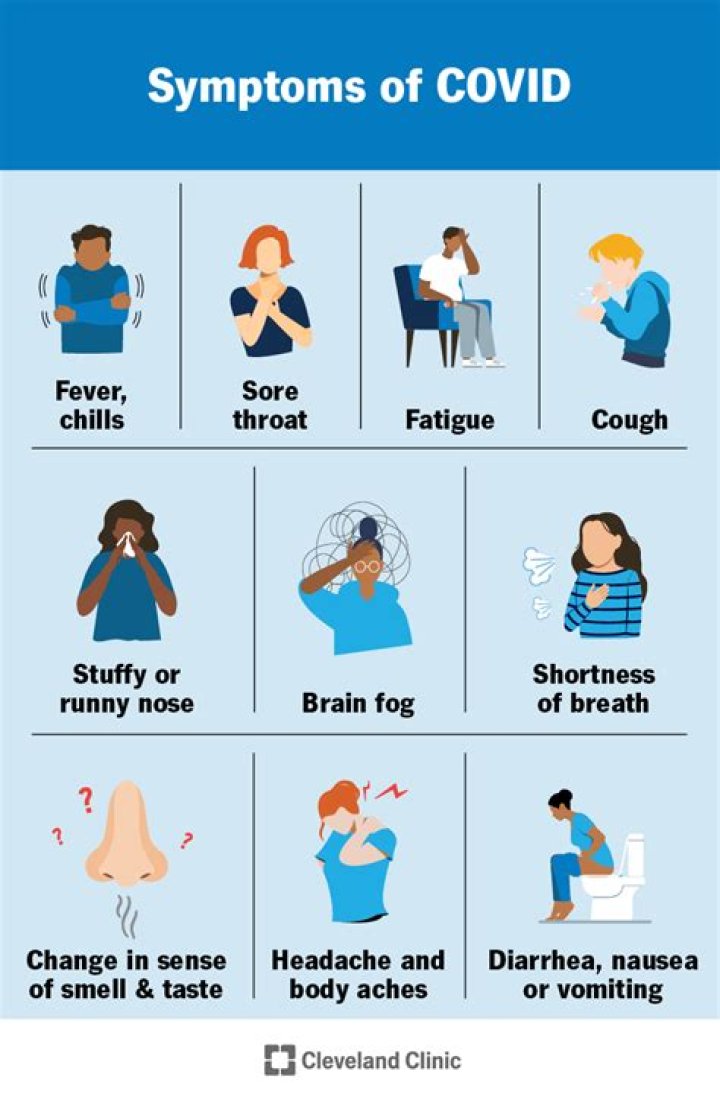
Symptoms
- Feeling nervous, restless or tense.
- Having a sense of impending danger, panic or doom.
- Having an increased heart rate.
- Breathing rapidly (hyperventilation)
- Sweating.
- Trembling.
- Feeling weak or tired.
- Trouble concentrating or thinking about anything other than the present worry.
What are the roots of anxiety?
What causes anxiety?
- Environmental factors.
- Life stressors.
- Genetic factors.
- Medical factors.
- Recreational drugs.
- Anxiety disorders.
- Diagnosis.
- Summary.
How do you deal with deep anxiety?
Here are 11 tips for coping with an anxiety disorder:
- Keep physically active. ...
- Avoid alcohol and recreational drugs. ...
- Quit smoking, and cut back or quit drinking caffeinated beverages. ...
- Use stress management and relaxation techniques. ...
- Make sleep a priority. ...
- Eat healthy foods. ...
- Learn about your disorder.
How To Get To The Root Of Your Anxiety Disorder With "THE Seven Questions"
What is the 3 3 3 rule for anxiety?
Follow the 3-3-3 rule.Then, name three sounds you hear. Finally, move three parts of your body — your ankle, fingers, or arm. Whenever you feel your brain going 100 miles per hour, this mental trick can help center your mind, bringing you back to the present moment, Chansky says.
What physical symptoms can anxiety cause?
Physical symptoms of GAD
- dizziness.
- tiredness.
- a noticeably strong, fast or irregular heartbeat (palpitations)
- muscle aches and tension.
- trembling or shaking.
- dry mouth.
- excessive sweating.
- shortness of breath.
Can anxiety damage the brain?
It is thus evident that pathological anxiety/stress can damage the brain – but this damage may be reversible using both pharmacological and nonpharmacological interventions. Whether antianxiety interventions can reduce risk of developing neuropsychiatric illness needs to be established with longitudinal studies.Can anxiety be cured?
Since it's a natural part of the human condition, anxiety is not completely curable. But feeling anxious should be a temporary state that resolves when a stressor or trigger has passed.What can happen if anxiety is not treated?
For the majority of people with undiagnosed or untreated anxiety disorder, there are many negative consequences, for both the individual and society. These include disability, reduced ability to work leading to loss of productivity, and a high risk of suicide.What does anxiety feel like mentally?
Anxiety can make you feel worried or scared. Anxiety can cause physical symptoms such as a fast heartbeat or sweating. It is a normal human response to be anxious in certain situations. You may have an anxiety disorder if you feel anxious all or most of the time.What food helps anxiety?
Other foods that may help with anxiety
- Turkey, bananas and oats. These are good sources of the amino acid tryptophan, which is converted to serotonin in the body and may promote relaxation and anxiety relief ( 53 , 54 ).
- Eggs, meat and dairy products. ...
- Chia seeds. ...
- Citrus fruits and bell peppers. ...
- Almonds. ...
- Blueberries.
Why do I have anxiety for no reason?
Anxiety can be caused by a variety of things: stress, genetics, brain chemistry, traumatic events, or environmental factors. Symptoms can be reduced with anti-anxiety medication. But even with medication, people may still experience some anxiety or even panic attacks.Can anxiety be caused by childhood trauma?
Childhood trauma is a major predisposing factor in forming anxiety symptoms and disorders in adulthood. Traumas can include physical abuse, emotional abuse, sexual abuse, neglect, exposure to domestic violence, parental substance abuse, and abandonment.What type of exercise is best for anxiety?
7 Best Exercises for Anxiety and Depression
- Running. Running is a great way to clear your mind while reducing stress. ...
- Yoga. Yoga is a form of exercise that's become a popular way for people to combine working out with controlled breathing. ...
- Hiking. ...
- Weightlifting. ...
- Take Long Walks. ...
- Swimming. ...
- Dancing.